MyMoto Comparison
Honda Forza 350 vs Vespa GTS 310: Which Should You Buy?
First, a correction almost every comparison online still gets wrong: the Vespa GTS 300 is not the current bike. Vespa's Euro 5+ range replaced it with the GTS 310, and that is what you will find in a showroom today. With that sorted, this is the classic head-versus-heart choice in the A2 scooter class - and the number that actually decides it is not price or power. It is 23 kg.
On this page
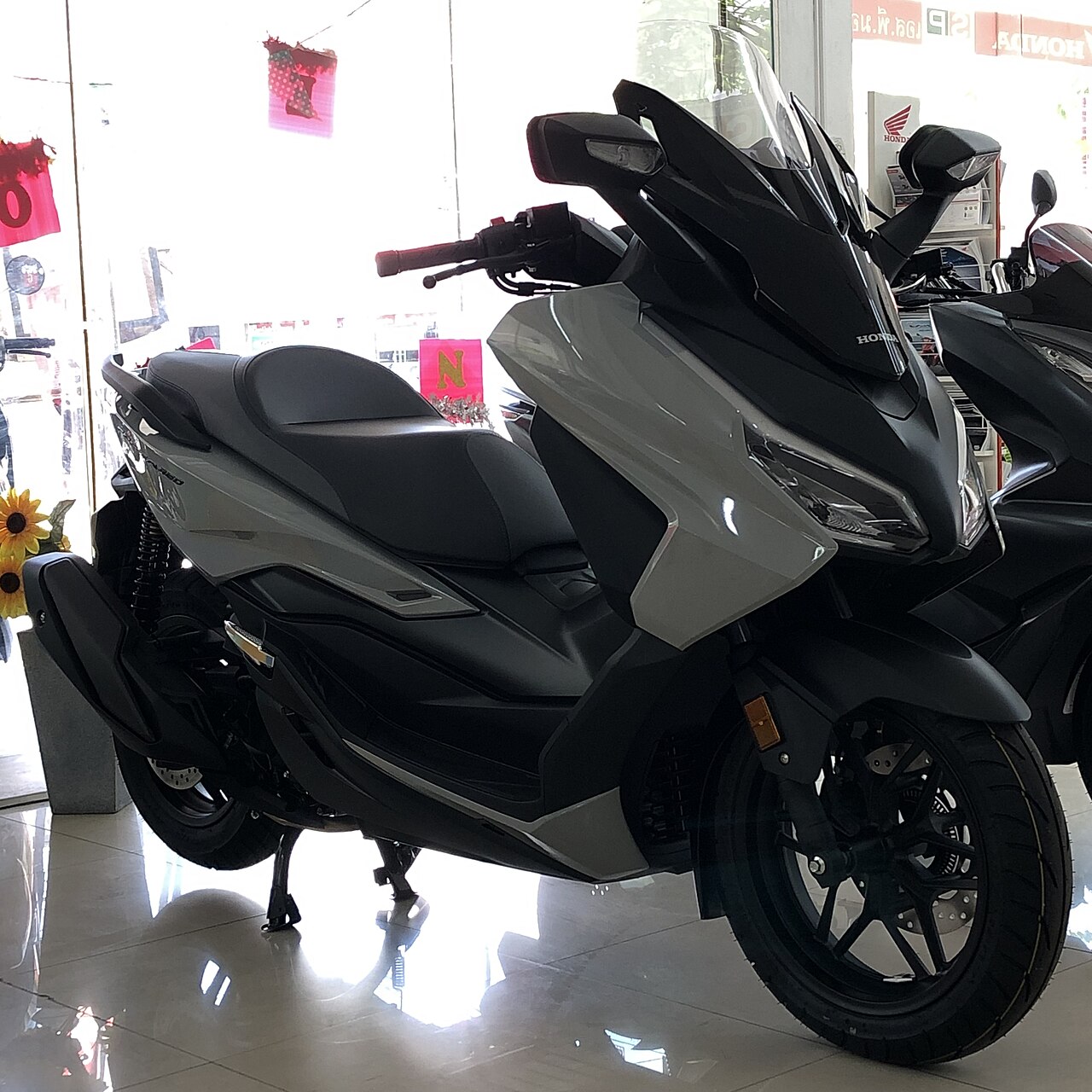
Photo: Chanokchon, CC BY-SA 4.0, via Wikimedia Commons
The commuting machine. More power, more weather protection, a lower seat, and £600 cheaper. Buy this if the scooter is a tool for getting somewhere and you want the journey to be quick and dry.
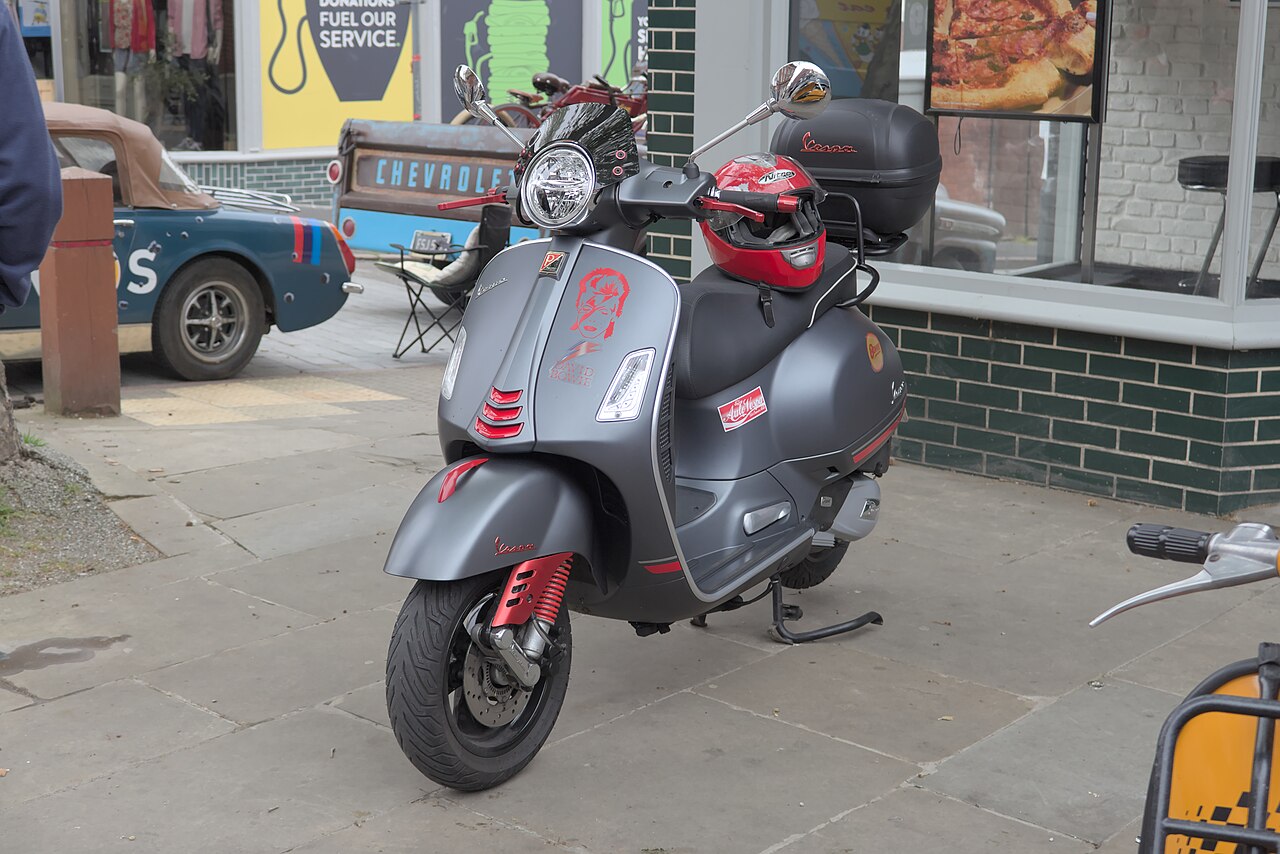
Photo: Aethonatic, CC0, via Wikimedia Commons
The icon, and a genuinely lighter machine. Pressed-steel monocoque body, eighty years of design lineage, and 23 kg less to wrestle at walking pace. Buy this if you want to enjoy owning it, not just riding it.
Specs head to head
| Honda Forza 350 | Vespa GTS 310 | |
|---|---|---|
| Engine | 330cc single | 310cc single |
| Power | ~28.8 hp (21.5 kW) | ~24.7 hp |
| Wet weight | ~186 kg | ~163 kg |
| Seat height | 780 mm | 790 mm |
| Price (UK RRP) | £5,999 OTR | from £6,605 |
| Body | Plastic panels over a steel frame | Pressed-steel monocoque |
| Licence | A2 | A2 |
| Best for | Faster commutes, weather, value | City agility, style, ownership pride |
Prices verified against Honda UK and Vespa UK published figures. The Vespa range runs £6,605 (GTS 310) to £7,205 (310 80th), with Super, SuperSport and SuperTech trims in between - so the gap to the Honda widens if you want the nicer Vespa. Both are European-market machines; specs and prices vary by market and dealer.
The 23 kg nobody mentions
Scooter comparisons obsess over power and price, and in this pairing both point at the Honda. But go and lift each bike off its stand and the story changes. At roughly 163 kg the Vespa is about 23 kg lighter than the 186 kg Forza - the weight of a large suitcase, permanently removed from every low-speed moment you will have.
That matters most exactly where scooters spend their lives. Reversing out of a tight bay on a slope, filtering at walking pace between stationary cars, holding the bike up at an awkward camber at a junction, or heaving it onto the centre stand at the end of the day. If you are a shorter or lighter rider, or you are nervous about dropping it, 23 kg is worth more to you than 4 hp - and it is the reason a Vespa often suits a hesitant urban rider better than the numbers suggest.
Where the Forza 350 wins
Getting places. The extra power tells on dual carriageways and faster A-roads where the Vespa is working harder, and the Honda's larger bodywork and adjustable screen keep far more weather off you - a real consideration if you ride year-round rather than on dry evenings. It is also the cheaper machine by about £600 against the base Vespa, and more against the trims most people actually buy. The seat is 10 mm lower too.
If your honest answer to "what is this for?" is a 30-minute commute in British or northern European weather, the Forza is the better tool and it is not especially close.
Where the Vespa GTS 310 wins
Everything that is not a stopwatch. The steel monocoque body is the reason a Vespa feels and sounds different from a plastic-panelled scooter, and it is why they hold their value and their looks in a way rivals do not. It is lighter, more wieldy in traffic, and it is the only scooter here that anyone will comment on when you park it.
That is not a frivolous reason to buy. A machine you enjoy looking at is one you actually ride, and a scooter that gets used four times a week is worth far more than a more capable one that stays under a cover.
Which should you buy?
Buy the Honda Forza 350 if this is transport. Faster, drier, cheaper, lower - it wins on every practical axis and will do a long, wet commute with less complaint than anything else at the price.
Buy the Vespa GTS 310 if the riding is mostly urban and you want the object as much as the journey. You are paying roughly £600 more for less power - and getting 23 kg less bike to manage, a body that will still look good in ten years, and something you will be pleased to own. Just buy the current 310 knowingly, and if a dealer offers you a "GTS 300" at a keen price, check whether it is old stock or a used bike.
Neither is a mistake. Be honest about how much of your riding is genuinely fast road versus city crawl, and go and sit on both - the weight difference is obvious in ten seconds and no spec table conveys it.
Still not sure which fits you?
The right call depends on your height and confidence at walking pace, how fast your roads really are, your budget once gear and insurance are counted, and whether an A2 scooter is the right machine for you at all. Tell the MyMoto advisor about yourself in your own words - it weighs all of that, including the regret risks most comparisons skip, asks only what matters, and builds your free personal report in a few minutes of chat.
Find My Motorcycle
MyMoto is an early beta. Always verify current specs, pricing, licence rules, insurance, and local availability before buying any scooter. Prices shown are UK recommended retail figures published by Honda and Vespa and vary by market, trim and dealer offer.
Full Vespa GTS 310 profile →
Full Honda Forza 350 profile →
See all the best maxi-scooters of 2026 →
Only need a 125? PCX125 vs NMAX 125 →
See the best small scooters →
← Back to MyMoto